As a woman, there are a lot of health-related screenings to stay on top of. One of the most important is your mammogram. It is estimated that approximately 1 in 8 women will develop invasive breast cancer in their lifetime. If you have dense breasts, the statistics may be even higher for you. What does this mean and how do you ensure you are getting proper preventative care?
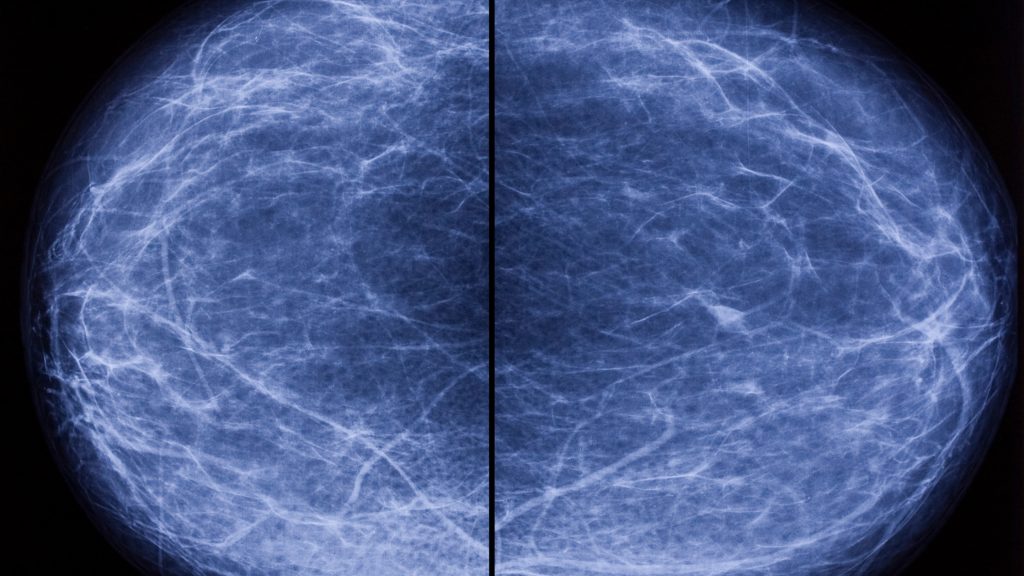
What does it mean to have dense breasts?
In a typical mammogram, doctors are looking for abnormalities that could signal breast cancer, such as suspicious lumps, masses or small calcium deposits. While they are performing the assessment, they also make note of your breast density.
Breast tissue is composed of glandular and fibrous tissues, which appear white on a mammogram, as well as fat, which appears black. Having dense breasts means you have more of the white tissue, making it more difficult for doctors to detect breast cancer. Having dense breasts has nothing to do with size or shape, but some risk factors include genetics, age, BMI, pregnancy and breastfeeding and the use of hormone replacement therapy.
The only way to determine your breast density is via mammogram interpreted by a radiologist. You will likely be notified by your provider following your routine mammogram.
You have dense breasts, now what?
If your provider finds that you have dense breast tissue, it will likely be suggested that you have additional screenings, such as breast ultrasound or MRI. A traditional mammogram may not be able to catch masses or calcifications because of your increased fibrous and glandular tissue.
Mammograms are often suggested every two years for women, but if you have dense breasts, you may opt to go annually. If you have a genetic risk for breast cancer, your provider may also offer genetic testing options.
Keep your risk of breast cancer low with these tips
No matter your breast density, it is important to make healthy lifestyle choices that can help you maintain your health and longevity. The good news? There are some foundational habits that protect against multiple types of cancer as well as diseases such as diabetes, high blood pressure and dementia.
See if you can work these into your daily life:
- Maintain a healthy weight by opting for a diet of fresh, whole foods and limiting your intake of things that are packaged and processed.
- Get plenty of sleep, aiming for between 7-9 hours per night.
- Keep a consistent exercise routine that includes strength training of some kind as well as moderate cardio. Think: swimming, dancing, brisk walks, weight lifting or Pilates.
- Limit your alcohol consumption.
- Quit smoking.
When it comes to breast cancer, prevention is the key to keeping the odds in your favor. Although dense breasts make it more difficult to diagnose cancer, advanced testing and imaging options mean you can get the care you need to ensure you keep your risks at bay.
To your best health!