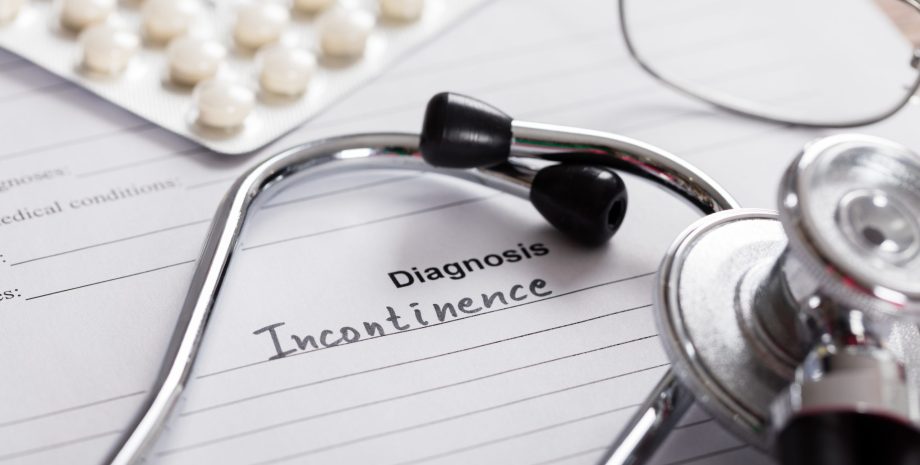
私たちがクスクスと笑うティーンエイジャーの集団だったときのことを思い出してください。何かが非常に面白い、とんでもない、恐ろしいと考えて、「ズボンにおしっこをしそうになった!」と叫んでいました。
Well, now that we’re older, most of us can remove that “almost.” According to the National Association for Incontinence, one in four women over the age of 18 experience episodes of leaking urine involuntarily. A 2015 study revealed that 68 percent of women ages 42-64 experiences the problem at least once a month.
なぜ?私たちの多くは更年期障害のせいだと考えていますが、なぜそうではないのでしょうか?全てを更年期障害のせいにしてしまう!実際、閉経期に起こるホルモン産生の減少は、膀胱と尿道の健康な内壁に悪影響を及ぼします。出産や妊娠(その罪悪感を最大限に高めるために母の日があるのはそのためです…)、肥満、年齢、運動不足も同様です。その他の症状としては、骨盤臓器脱や神経学的問題などがあります。
幸いなことに、あなたは一人ではなく、その理由はたくさんあります。そしてさらに良いニュースは、「スプリンター」というあだ名(トイレにすぐに行けるというスーパーパワーを反映したもの)だけで生きていく必要はないということです。医師は、腹圧性失禁(笑ったり、くしゃみした後におしっこがしてしまうこと)か切迫性尿失禁(常に「遅すぎる」と思われる突然の尿意)があるかどうかを判断するのに役立つ健康診断から始めて、最も適切な失禁を判断します。効果的な治療法。
It’s important to remember that urinary incontinence is not a disease, but a symptom of something else. A medical professional may initially recommend behavioral and lifestyle changes – like limiting liquids close to bedtime, limiting caffeine, carbonated beverages or alcohol. They may recommend engaging in exercise and losing weight or stopping smoking. Some will suggest bladder training with the assist of a bladder diary (Dear Bladder, Today you were very naughty …) and pelvic floor exercises (aka Kegels). Additional treatments may include medicine for an over-active bladder (we’ve all seen the commercials), medical device implants and surgery as a last resort.
しかし、これは「博士」の領域ではありません。 Google」と自己治療。医療専門家の統計を取得しましょう。