C-Section
Cesarean section is a common surgical procedure used to deliver one or more babies through incisions in the mother’s abdomen and uterus.
Auch bekannt als
C-section
Anästhesie
General or Regional
Krankenhausaufenthalt
Stationär
Typische Erholungszeit
Six Weeks
Über die Operation
What kind of outcome is typical for a cesarean section?
Most mothers and infants do well following a C-section. Also, having a cesarean for one delivery doesn’t mean you’ll have one for your subsequent deliveries.
What are the risks of not having a cesarean section?
If your doctor recommends a cesarean delivery, consider that opting for a vaginal delivery could compromise the health and safety of you, your baby, or both.
What are the alternatives to a cesarean section?
When you’re having a baby, the only alternative to having Cesarean surgery is a vaginal birth.
Was sind die möglichen Nebenwirkungen einer Vollnarkose?
Some possible side effects include nausea and vomiting, dry mouth, sore throat, muscle aches, headache, bruising (from the IV), itching, shivering and feeling cold, difficulty urinating, and sleepiness.
What are the possible side effects of regional anesthesia?
Some of the possible side effects of regional anesthesia include low blood pressure, nausea and vomiting, shivering, back pain, tingling in the lower part of your body, headache, and itching.
What are possible side effects and complications of a cesarean section?
Possible complications include infection, postpartum hemorrhage, blood clots, damage to your internal organs, an increased risk of respiratory distress for your baby, and complications with future pregnancies. Also, after you have one C-section, there’s an increased chance that you will need to deliver future babies by the same method.
How safe is a cesarean section?
C-section is a safe procedure: About one-third of American births are by Cesarean. You should also know that Hancock Regional Hospital has been rated one of the safest hospitals in America by Die Leapfrog-Gruppe, eine nationale gemeinnützige Überwachungsorganisation für das Gesundheitswesen; und wurde zum sichersten Krankenhaus in Indiana gekürt Krankenhausindex des Lown Institute.
How do I know a cesarean section is right for me?
A C-section is likely the best option when a vaginal delivery is deemed unsafe for you, your baby, or both. But you shouldn’t automatically assume you need a C-section because your baby is large, your labor is slow, or for convenience. Talk with your doctor about your options.
Do I have options for anesthesia for a cesarean section?
Most C-sections are done under regional anesthesia—an epidural block or a spinal block—so you can stay awake for the delivery and have a more direct experience during childbirth. This type of anesthesia will numb only the lower part of your body. If there’s an emergency, however, your surgical team might use general anesthesia.
What issue does a cesarean section solve?
There are a variety of reasons your doctor might recommend a C-section, but one of the most common is stalled labor, when your cervix isn’t opening enough for the baby to get through. Other reasons include:
- Your baby is in distress. If there’s a concern about the heartbeat, a C-section might be recommended.
- You’ve had a C-section before. It’s possible to have a vaginal birth after your first C-section, but in some cases another C-section is safer for you and your baby.
- You have a health issue. Your doctor might recommend a C-section if you have a severe health problem or an active genetal herpes infection when you’re in labor.
- You’re carrying more than one baby and the leading baby is in an abnormal position. A C-section might also be recommended if you’re carrying triplets or more.
- Your baby is in an abnormal position. If the baby is breech, meaning his or her bottom or feet are entering the birth canal first, or in the transverse position, meaning she or he is positioned side or shoulder first, a C-section might be recommended.
- Your placenta is in an abnormal position, covering the opening of your cervix. This is called placenta previa, and when it occurs, a C-section is almost always recommended.
- Your baby’s umbilical cord is prolapsed. If a part of the umbilical cord slips through your open cervix into the vagina, ahead of your baby, a C-section will likely be recommended because this is dangerous to the baby.
- You have an obstruction. If your baby’s head is unusually large, you have a fibroid obstructing your birth canal, or your doctor detects another obstruction, a C-section might be recommended.
How is a cesarean section done?
When you have a C-section, a surgeon makes a three- to four-inch horizontal or vertical incision in your abdomen, just above your pubic hair line, and the muscles underneath are separated. A similar incision is made in your uterus, causing the amniotic sac surrounding your baby (or babies) to rupture and the baby is delivered. The umbilical cord is cut and the placenta is removed. In most cases, your baby (or babies) will be handed to you to hold following a short examination.
Auswahl eines Chirurgen
Wird das Operationsteam meine Krankengeschichte kennen?
Your health history will be compiled and available to them before, during, and after surgery. If you’re a Hancock Health patient, we will be able to access your records within our system. If you aren’t, we will work with your doctors to get the necessary information.
Wie soll ich entscheiden, welchen Rat des Chirurgen ich befolgen soll?
Sie sollten mit dem Chirurgen zusammenarbeiten, bei dem Sie sich wohl fühlen, unabhängig davon, ob es sich um einen unserer Chirurgen handelt oder nicht.
Do I have to get a second or third opinion for a cesarean section?
You can always get a second or third opinion, but it isn’t required. In the case of an emergency C-section, your doctor might recommend that a quick decision, without a second opinion, is important for the health and safety of you, your baby, or both.
What should I bring to my first appointment with a surgeon to talk about a C-section?
- Versicherungsinformation
- Krankenakten, einschließlich Ihrer Krankengeschichte, von Ihrem Hausarzt
The most recent ultrasound image of your abdomen (Not sure where to go to get your ultrasound? Check out Gateway Hancock Health, where you’ll be able to get in and out quickly and pay, on average, 70% less than you’ll pay at a big-city hospital.)
Do I need a referral to see a surgeon about a cesarean section?
Your OB/GYN physician will discuss C-sections with you and will be prepared to perform the surgery if necessary.
Vor der Operation
Wie lange dauert es, bis die Narkose nachlässt?
It usually takes two hours for an epidural to wear off, though the effects can last a few hours. It takes about two to four hours for a spinal block to wear off, though that can take longer.
What do I need to bring to the hospital the day of my C-section?
You’ll stay in the hospital for two to four days following your cesarean section, so you’ll need to pack for that. A checklist is below.
- Your nightgown, robe, and slippers
- Nursing bras and supportive postpartum underwear
- Toiletries
- Dry shampoo (in case you can’t shower right away), hairbrush, hair ties
- Contact lenses or glasses
- A comfortable pillow
- Clothes for your stay, including elastic-waist pants or comfortable dresses
- Headphones
Warum werde ich jedes Mal nach meinem Namen und meinem Geburtsdatum gefragt, wenn ich Medikamente bekomme?
Es handelt sich um eine Sicherheitsvorkehrung, um sicherzustellen, dass Sie die Medikamente erhalten, die Ihnen verschrieben wurden.
Warum sind in meinem OP-Team so viele Leute?
Zusätzlich zum Chirurgen haben Sie einen Anästhesisten, Krankenschwestern – einige von ihnen sind auf die Arbeit mit Patienten spezialisiert, andere unterstützen den Chirurgen – und Hilfspersonal, das Sie ein- und auscheckt, Ihre Unterlagen zusammenstellt und vieles mehr. Sie alle arbeiten zusammen und erfüllen ihre individuellen Aufgaben, damit das Verfahren so erfolgreich wie möglich ist.
Will I need someone to take me home after a cesarean section?
For your safety and the safety of other motorists, you will need someone to drive you home. If you don’t have a ride, our associates will help you arrange one.
What should I expect right before a cesarean section?
- You and your partner will arrive several hours before your surgery and you’ll both be escorted to the preoperative waiting area.
- You’ll remove all of your clothing and jewelry, and put on a hospital gown. (Your valuables will be placed in a secure area or may be given to your partner.)
- Sie unterschreiben alle erforderlichen Unterlagen und eine präoperative Krankenschwester nimmt Ihre Vitalfunktionen auf, überprüft Ihre Medikamente und beantwortet alle Fragen.
- You’ll meet the members of your surgery team.
- Your abdomen will be cleansed.
- A catheter will be placed into your bladder to collect your urine during and immediately after the procedure.
- An I.V. (intravenous line) will be placed in your hand or arm to provide medications and fluid.
- You’ll receive regional anesthesia, which will numb the lower part of your body.
- When it’s time for the procedure, you’ll be wheeled into the operating suite on a stretcher.
Why can’t I eat before a cesarean section?
Es besteht die Gefahr einer Aspiration, d. h. des Einatmens von Fremdkörpern wie Nahrung oder Speichel in die Lunge. Dies kann auftreten, weil das Anästhetikum für die Operation die Fähigkeit Ihres Körpers beeinträchtigen kann, den Mageninhalt daran zu hindern, in Ihre Lunge zu gelangen.
How should I prepare for a cesarean section?
The night before your C-section, you’ll shower at home with an antiseptic soap and you’ll be asked not to shave your pubic hair or abdomen. About eight hours before your C-section, you’ll be asked to stop eating solid foods. You’ll still be able to have clear liquids until two hours before the procedure, when you should stop eating and drinking everything. In the days before your procedure, your doctor might also recommend blood tests—these will provide your blood type and other information your surgical team will need if you require a blood transfusion, which is unlikely.
Während der Operation
How long will I be in the hospital after a C-section?
You’ll stay in the hospital for two to three days.
How long will I be under for a C-section?
You will be anesthetized during the entire procedure and two to four hours afterward, but you won’t be put to sleep. Most cesarean patients receive regional anesthesia so they can stay awake for the birth.
How long will a cesarean section take?
A C-section typically takes about 45 minutes.
Wann wird meine Familie darüber informiert, wie es mir geht?
Your partner will be able to accompany you into the operating suite and our associates will give updates to anyone in our waiting room.
What will happen during a cesarean section?
During surgery, your view of your abdomen will be blocked by a small screen and your surgical team will track your vital signs as your surgeon performs the C-section. You might breathe oxygen through a mask. After the baby is delivered, your surgeon will stitch up your uterus and the incision in your abdomen.
Nach der Operation
Will I need to fill any prescriptions or take medication after a C-section?
By the time you go home, you will probably only need over-the-counter pain medications. But your doctor might give you a prescription for pain medication in case you become uncomfortable.
How soon after a cesarean section can I eat or drink?
You’ll receive ice chips and clear liquids immediately after the surgery. Eight hours later, you’ll be able to have a light meal.
Will I receive pain medication following a C-section?
You’ll likely be given additional pain medication through your IV. You’ll be able to control the amount by pushing a button.
How soon after a cesarean section will I be up and moving around?
To help you recover faster, you’ll be encouraged to get up and out of bed the same day as your delivery.
Wann kann ich nach der Operation mit meinem Chirurgen sprechen?
You’ll be able to talk to your surgeon immediately after the procedure.
How will I know if cesarean section worked?
Ihr Chirurg wird Ihren Eingriff mit Ihnen besprechen.
What can I expect right after a cesarean section?
You’ll likely be able to hold your baby immediately. You’ll be taken to a postpartum recovery area, where nurses will monitor bleeding from your vagina and incision, blood pressure, and temperature. They will also massage your uterus so it will contract and shrink to its normal size. You may feel a little shaky from the pain medication. You might be offered ice chips and clear broth.
Versicherungskosten
What are payment options like for a C-section at Hancock Health?
Hancock Health setzt sich dafür ein, dass eine erstklassige Pflege für alle Patienten erschwinglich wird. Weitere Informationen zu den Zahlungsoptionen finden Sie unter die FAQ-Seite zu Abrechnung und Versicherung unter HancockRegionalHospital.org.
Will insurance cover a cesarean section?
In most cases, insurance will cover most of the costs associated with your Cesarean section. To obtain your possible out-of-pocket expenses, use our Price Estimator Tool.
How much does a C-section cost?
Konsultieren Sie die Preistransparenz-Tool at HancockRegionalHospital.org for an idea of how much a C-section might cost.
Relevante Chirurgen
Alle Ärzte anzeigen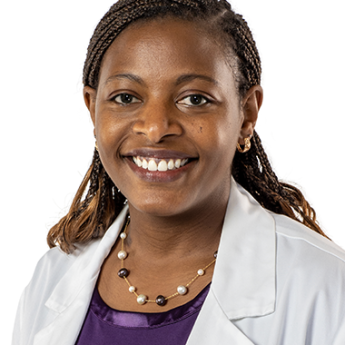



BEREIT ZUM GESPRÄCH?
Egal, ob Sie eine Erstberatung oder eine Zweitmeinung wünschen oder einfach nur weitere Fragen haben – wir sind für Sie da. Nehmen Sie Kontakt mit uns auf und wir werden uns innerhalb eines Werktages bei Ihnen melden.